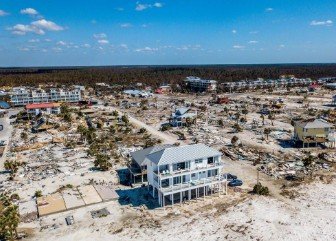
In South Florida's climate — intense UV, heavy rain, humidity, and hurricane season — roofs take a beating every year. The homeowners who get the most life out of their roofs are the ones who do consistent, simple maintenance. Here's a practical checklist you can follow every year.
Before Hurricane Season (March – May)
- Schedule a professional inspection — A licensed roofer can catch small problems before they become big ones, especially after a winter of UV exposure. Look for cracked or loose tiles, damaged flashing, and dried-out sealant.
- Clean your gutters and downspouts — Clogged gutters cause water to back up under the roof edge, leading to fascia rot and leaks.
- Trim overhanging tree branches — Branches that touch or overhang your roof can cause abrasion damage, drop debris, and become projectiles in a storm.
- Check your attic — Look for daylight coming through, water stains, or soft spots in the decking. These are signs of existing damage that need to be addressed before storm season.
- Verify your insurance coverage — Review your deductibles, check if your roof age triggers any coverage issues, and consider a Wind Mitigation Inspection if you haven't had one.
After Hurricane Season (October – November)
- Walk the perimeter and look up — Do you see any missing tiles, exposed decking, lifted metal panels, or disturbed areas?
- Check your attic again after any major storm — Even if you didn't see visible exterior damage, water can enter through small gaps that are hard to spot from the ground.
- Look for interior water stains on ceilings and walls — these often appear after the first major rain following roof damage.
- Document any storm damage with photos and contact your insurer if you believe you have a covered claim.
Year-Round Maintenance Tips
- Keep the roof surface clear of debris — Leaves, branches, and organic material trap moisture, promote algae growth, and can clog valleys and drains.
- Don't ignore moss or algae — The black streaks and green growth common on South Florida roofs trap moisture and accelerate material breakdown. Soft-wash cleaning removes them safely.
- Watch for ponding water on flat roofs — Standing water that doesn't drain within 48 hours after rain signals a drainage problem that needs attention.
- Don't walk on your roof unnecessarily — Especially on tile roofs, where tiles can crack under foot traffic. Have a professional do any close-up inspections.
When to Call a Professional
Call a roofing professional immediately if you see: active leaking, missing or severely damaged tiles or panels, exposed decking or underlayment, damaged flashing around vents or chimneys, or any signs of structural sagging. Small problems addressed early cost a fraction of what they cost once water damage has spread.
We offer free annual roof inspections for South Florida homeowners. Schedule yours today or call 786-286-7963 — a quick professional assessment once a year gives you peace of mind and catches anything you might miss from the ground.
← Back to Blog